Don't Ignore Changes in Your Urination
You wake up two or three times every night to use the bathroom. During the day, you feel the urge to urinate frequently, but when you finally go, the stream is weaker than it used to be.
You may blame age, stress, or simply drinking too much water.
But persistent changes in urination can be linked to prostate problems and deserve proper evaluation. If you are looking for Prostate Problem Treatment in Janakpuri, the first step is understanding what is causing the symptoms rather than simply treating the inconvenience.
What Does the Prostate Do?
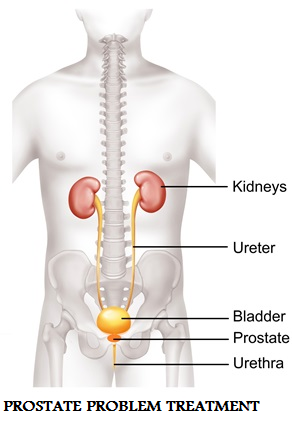
The prostate is a small gland located below the bladder in men. It surrounds part of the urethra, the tube through which urine leaves the body.
Problems can affect daily life
As men get older, the prostate can enlarge. This is commonly known as benign prostatic hyperplasia, or BPH.
An enlarged prostate is not the same thing as prostate cancer, but the symptoms can overlap with other urinary conditions, which is why proper assessment matters.
Notice the Small Changes
Prostate problems often develop gradually.
Common urinary symptoms include:
-
Weak urine stream
-
Difficulty starting urination
-
Frequent urination
-
Urgency to urinate
-
Waking frequently at night
-
Feeling that the bladder has not emptied completely
-
Dribbling after urination
-
Stopping and starting while urinating
You may experience only one or two of these symptoms initially.
The mistake is assuming that because the problem is mild, it can safely be ignored indefinitely.
Is It Just an Enlarged Prostate?
Not necessarily.
Urinary symptoms can have several causes, including an enlarged prostate, urinary infection, bladder problems, stones, certain medicines, and other conditions.
Diagnosis comes before treatment
A doctor may ask about:
-
Your urinary symptoms
-
How long they have been present
-
Night-time urination
-
Medicines
-
Previous urinary problems
-
Fluid and caffeine intake
-
Medical history
-
Family history
Depending on your symptoms, tests may include urine examination, blood tests, prostate assessment, ultrasound, or other investigations.
Here's a Common Mistake We Would Challenge
Many men say, “This is normal after 50, so there is no point getting it checked.”
Age-related prostate enlargement is common, but persistent urinary symptoms should not simply be accepted as something you have to live with.
Normal for your age doesn't mean untreatable
If symptoms are affecting your sleep, work, travel, or daily routine, there may be ways to improve them.
More importantly, evaluation can help rule out conditions that need different treatment.
A Real-World Patient Scenario
Consider a man who had been waking several times every night to urinate.
He initially reduced his evening water intake, hoping that would solve the problem. When the symptoms continued and his urinary stream became weaker, he sought medical evaluation.
The assessment helped identify the underlying urinary issue and allowed a treatment plan to be created rather than continuing to manage symptoms through guesswork.
This is something we often tell our clients: don't reorganize your entire life around a symptom that could be evaluated and treated.
Treatment Depends on the Cause
There isn't one treatment for every prostate problem.
Depending on the diagnosis, treatment may involve:
-
Lifestyle adjustments
-
Medicines that improve urine flow
-
Medicines that reduce prostate growth
-
Treatment for urinary infection when present
-
Monitoring for mild symptoms
-
Procedures for significant obstruction
-
Surgical treatment in selected cases
The appropriate option depends on symptom severity, prostate size, urinary flow, complications, age, overall health, and other medical factors.
When Symptoms Become More Concerning
Some symptoms need faster medical attention.
Seek prompt medical assessment if you experience:
-
Inability to urinate
-
Blood in the urine
-
Severe lower abdominal discomfort
-
Fever or chills with urinary symptoms
-
Repeated urinary infections
-
Significant worsening of urinary symptoms
Complete inability to urinate can be an emergency because the bladder cannot empty normally.
Do not try to manage that situation at home.
What About Prostate Cancer?
An enlarged prostate and prostate cancer are different conditions.
However, urinary symptoms alone cannot reliably determine whether cancer is present.
Screening and evaluation are separate from symptom treatment
Depending on your age, family history, symptoms, and risk factors, your doctor may discuss prostate examination, PSA testing, or other assessments.
Do not assume that a normal-feeling prostate means there is no risk—or that urinary symptoms automatically mean cancer.
Proper evaluation is the sensible middle ground.
The 2024 Prostate Health Reality
Prostate conditions are extremely common among older men. Global cancer statistics published in 2024 continued to identify prostate cancer as one of the most commonly diagnosed cancers in men worldwide.
This does not mean every urinary symptom is cancer.
It does mean persistent or unusual prostate-related symptoms deserve appropriate medical attention rather than being dismissed.
Where Dr. Bhanu Mishra Fits In
Dr. Bhanu Mishra is a specialist patients may consider when they need guidance for kidney and urinary-related concerns. If urinary symptoms are connected to kidney function, recurrent urinary problems, or other medical issues, a detailed assessment can help determine what should happen next and whether another specialist, such as a urologist, is required.
Main Specialties to Look For
When seeking help for prostate-related symptoms, consider care that can address:
Key areas include:
-
Prostate-related urinary symptoms
-
Urinary obstruction
-
Recurrent urinary problems
-
Kidney-function assessment
-
Urine testing
-
Bladder-related concerns
-
Blood-pressure and kidney health
-
Medication review
-
Prostate evaluation
-
Coordination with urological care when needed
For procedures or surgery specifically involving the prostate, evaluation by a qualified urologist is generally appropriate.
Three Questions Patients Ask
1. What are the first signs of an enlarged prostate?
Common signs include a weak urine stream, difficulty starting urination, frequent or urgent urination, waking at night to urinate, and incomplete bladder emptying.
2. Can an enlarged prostate be treated without surgery?
Yes. Depending on symptom severity and the underlying cause, lifestyle changes, medicines, and monitoring may be appropriate. Some patients eventually require a procedure if obstruction becomes significant.
3. Does frequent urination mean prostate cancer?
No. Frequent urination can have many causes, including prostate enlargement, urinary infection, diabetes, bladder problems, and lifestyle factors. Proper evaluation is needed to identify the cause.
Don't Let Poor Sleep Become Your New Normal
Waking repeatedly at night, struggling to start urination, or spending your day looking for the nearest bathroom may seem like small inconveniences.
Over time, they can significantly affect sleep, energy, confidence, and quality of life.
If you are looking for Prostate Problem Treatment in Janakpuri, book a consultation with Dr. Bhanu Mishra and bring your recent urine, blood, ultrasound, PSA, and medication reports if available. Getting the cause assessed is the first step toward choosing the right treatment.
- Prostate Problem Treatment in Rohini Sector 23
- Prostate Problem Treatment in Rohini Sector 24
- Prostate Problem Treatment in Rohini Sector 25
- Prostate Problem Treatment in Rohini Sector 20
| Tags: | #Prostate Problem Treatment in Rohini Sector 33, #Prostate Problem Treatment in Rohini, #Prostate Problem Treatment in Pitampura, #Prostate Problem Treatment in Janakpuri |


