A Kidney Stone Doesn't Always Need to Be “Waited Out”
The pain starts suddenly. It feels sharp, comes in waves, and travels from your side toward your lower abdomen. You get an ultrasound and discover a kidney stone.
The first thought is often, “Can I just drink more water and wait for it to pass?”
Sometimes you can. But sometimes waiting can create unnecessary problems, especially if the stone is large, stuck, blocking urine flow, or associated with infection. Understanding your options for Kidney Stone Surgery in Pitampura starts with knowing what the stone is actually doing.
What Causes Kidney Stones?
Kidney stones form when certain minerals and salts in urine become concentrated and crystallize.
They don't all behave the same way
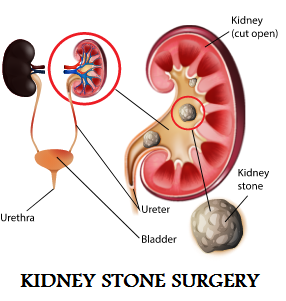
A stone may be tiny enough to pass naturally, while another can become lodged in the ureter—the narrow tube carrying urine from the kidney to the bladder.
Your treatment therefore depends on factors such as:
-
Stone size
-
Stone location
-
Degree of blockage
-
Symptoms
-
Infection
-
Kidney function
-
Previous stone history
There is no single treatment that works for every stone.
The Symptoms Are Worth Noticing
Kidney stone pain can be extremely uncomfortable, but pain isn't the only sign.
Watch for changes such as:
-
Severe side or back pain
-
Pain moving toward the groin
-
Blood in the urine
-
Nausea or vomiting
-
Burning while urinating
-
Frequent urge to urinate
-
Difficulty passing urine
-
Fever or chills
Fever and chills alongside suspected urinary obstruction deserve prompt medical attention because an infected blocked urinary system can become serious.
Does Every Kidney Stone Need Surgery?
No.
This is one of the first things we explain to patients.
Small stones may pass naturally
Depending on their size and location, some stones can pass without a procedure.
Doctors may recommend observation, medication for symptoms, and appropriate hydration while monitoring the situation.
However, a procedure may become necessary when the stone is unlikely to pass, causes ongoing obstruction, produces persistent or severe symptoms, or creates complications.
Here's the Advice We Would Challenge
You may have heard: “Just drink as much water as possible and the stone will come out.”
That is not a complete treatment strategy.
Water is important for kidney health and stone prevention, but excessive water intake cannot guarantee that a large or obstructing stone will pass.
The better question is about safety
Before deciding to wait, find out:
-
How big is the stone?
-
Where exactly is it?
-
Is urine flow blocked?
-
Is there an infection?
-
Is kidney function affected?
-
How likely is spontaneous passage?
Those answers matter far more than simply counting glasses of water.
What Happens Before Surgery?
A doctor generally needs to understand the stone before recommending an intervention.
Tests may include:
-
Urine examination
-
Blood tests
-
Ultrasound
-
CT scan when appropriate
-
Kidney-function tests
-
Imaging to assess obstruction
The information from these tests helps determine whether observation, medication, or a procedure is appropriate.
What Are the Surgical Options?
“Kidney stone surgery” can refer to several different procedures.
Common treatment approaches include:
-
Shock wave lithotripsy
-
Ureteroscopy
-
Laser stone fragmentation
-
Percutaneous nephrolithotomy for selected larger stones
-
Stent placement when necessary
The best option depends on the stone's size, location, composition, anatomy, and the patient's health.
A procedure should be selected for a reason—not simply because surgery sounds faster.
A Real-World Patient Scenario
Imagine a patient who has intermittent pain from a ureteric stone.
Because the pain occasionally disappears, the patient assumes the stone has passed. A follow-up scan, however, shows that the stone remains in place and is still causing obstruction.
After specialist assessment, an appropriate stone-removal procedure is planned rather than continuing to wait without monitoring.
The lesson is important: pain disappearing does not always prove that the stone has gone.
Recovery Depends on the Procedure
Patients often hear the word “surgery” and imagine a long hospital stay.
That isn't necessarily what happens with modern stone procedures.
Ask about your specific recovery
Before treatment, discuss:
-
Expected procedure time
-
Anaesthesia
-
Hospital stay
-
Pain after treatment
-
Stent placement
-
Return to normal activities
-
Follow-up imaging
-
Warning signs
-
Chances of recurrence
Your recovery depends on the procedure performed and your individual medical condition.
Removing One Stone Doesn't Prevent Another
This is where stone care often falls short.
A patient gets the stone removed and assumes the problem is over. Months or years later, another stone appears.
Prevention should be part of the conversation
Depending on your history, your doctor may discuss:
-
Drinking enough fluids
-
Reducing excessive salt
-
Dietary habits
-
Maintaining a healthy weight
-
Stone analysis
-
Metabolic testing in selected cases
-
Medicines when appropriate
The prevention strategy should be based on your stone type and personal risk factors.
The 2024 Kidney Stone Reality
Kidney stones are becoming increasingly common in many populations. A 2024 review of nephrolithiasis highlighted the continuing burden of kidney stone disease and the importance of both appropriate treatment and prevention.
For patients who have already experienced one stone, understanding recurrence risk can be just as important as removing the current stone.
Where Dr. Bhanu Mishra Fits In
Dr. Bhanu Mishra is a specialist patients may consider when they need evaluation for kidney-related concerns and guidance around kidney stone problems. A proper consultation can help assess kidney function, review imaging and urine findings, and determine whether further specialist or procedural care is appropriate.
For surgical stone removal, patients may also require assessment and treatment by a qualified urologist, depending on the location and characteristics of the stone.
Main Specialties to Look For
When choosing care for kidney stones, consider expertise in:
Key areas include:
-
Kidney stone evaluation
-
Recurrent stone management
-
Urinary obstruction assessment
-
Kidney-function monitoring
-
Stone prevention
-
Urine and blood testing
-
Dietary risk assessment
-
Post-procedure monitoring
-
Kidney disease management
-
Coordination with urological surgical care when required
Good stone care should deal with both the immediate problem and the reason it may have developed.
Three Questions Patients Ask
1. How do I know if a kidney stone needs surgery?
Stone size, location, obstruction, infection, symptoms, and kidney function all matter. Your doctor can use imaging and other tests to determine whether waiting is reasonable.
2. How long can I wait for a kidney stone to pass?
There is no universal waiting period. It depends on the stone and your medical situation. A stone causing infection, significant obstruction, uncontrolled pain, or kidney problems may require prompt intervention.
3. Can kidney stones come back after surgery?
Yes. Removing a stone does not necessarily remove the factors that caused it. Hydration, diet, stone analysis, and selected preventive tests can help reduce recurrence risk.
Don't Let Temporary Relief Fool You
If you have a confirmed kidney stone, don't make treatment decisions based only on whether the pain is better today.
Get the stone's size, location, and effect on urine flow properly assessed.
If you are considering Kidney Stone Surgery in Pitampura, book a consultation with Dr. Bhanu Mishra and bring your latest ultrasound or CT scan, blood tests, urine reports, and previous treatment records. The right procedure begins with the right diagnosis.
- Kidney Stone Surgery in Rohini Sector 23
- Kidney Stone Surgery in Rohini Sector 24
- Kidney Stone Surgery in Rohini Sector 25
- Kidney Stone Surgery in Rohini Sector 20
| Tags: | #Kidney Stone Surgery in Rohini Sector 33, #Kidney Stone Surgery in Rohini, #Kidney Stone Surgery in Pitampura, #Kidney Stone Surgery in Janakpuri |


